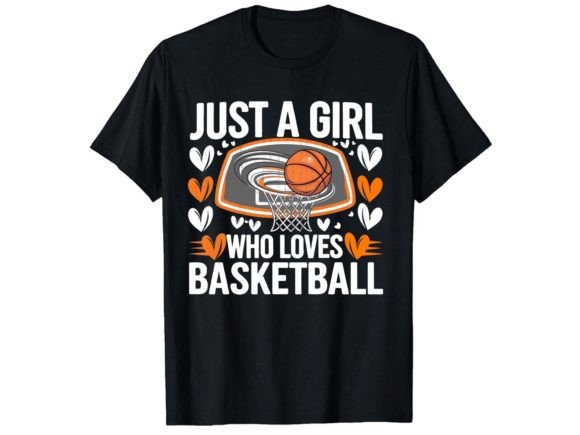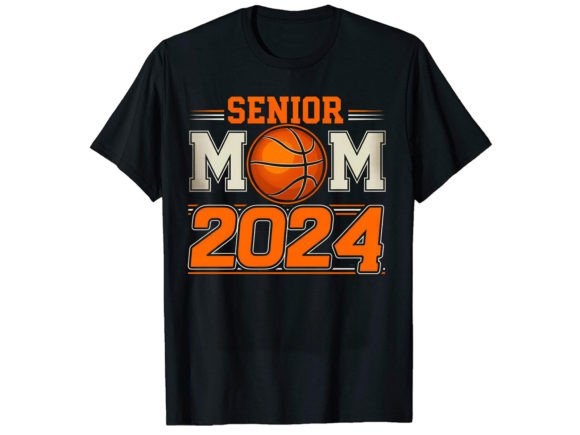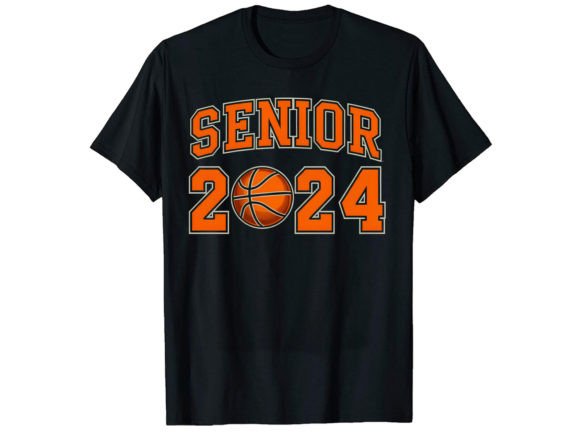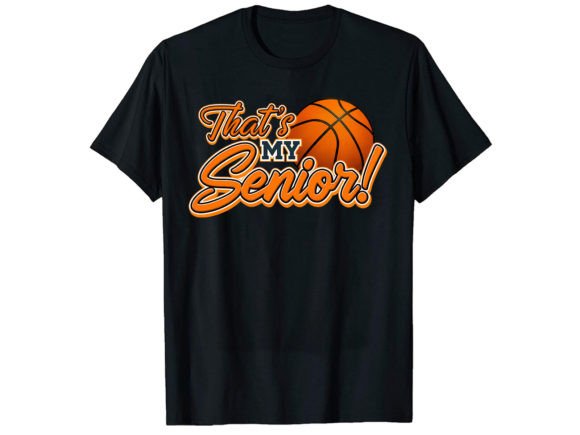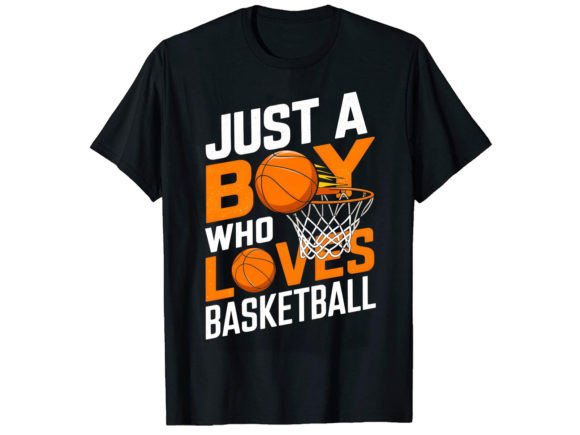
Just Boy Who Loves T-Shirt Design
As a brand designer and content marketer, I've had the chance to review countless graphic design assets, but few have stood out like Just Boy Who Loves T-Shirt Design. This creative design is more than just a t-shirt illustration—it's a versatile tool that can elevate your marketing visuals, branding, and content strategy. Whether you're launching a new product, refreshing your social media presence, or building a content kit, this asset offers a fresh and engaging approach to visual storytelling.
The First Impression: A Playful yet Professional Vibe
Upon first glance, Just Boy Who Loves T-Shirt Design exudes a warm, approachable energy. The design features a simple, clean line style that feels both modern and nostalgic. It creates a mood that’s perfect for casual branding, lifestyle content, and event promotions. The emotional tone is friendly and inviting, making it ideal for brands targeting younger audiences or those looking to build a sense of community around their products.
This design doesn’t feel overly playful or childish—it strikes a balance between fun and professionalism. It could easily fit into a premium visual identity or be used for handmade products, editorial graphics, or even commercial marketing materials. Its versatility makes it a valuable addition to any design library.
Real-World Applications: From Social Media to Packaging
Just Boy Who Loves T-Shirt Design shines in real-world marketing scenarios. It can be used as a brand identity element, helping to reinforce a consistent look across all platforms. For logo design, it provides a strong visual anchor that can be adapted to different sizes and formats without losing its impact.
In packaging design and product labels, this graphic design asset adds a unique touch that catches the eye. It works well as a packaging accent or as part of a larger design bundle. When paired with other elements, it can create a cohesive theme that supports your brand message.
For social media graphics, Instagram posts, and Pinterest pins, this design brings a sense of personality and creativity. It can serve as a campaign header, a branded template, or a decorative element that enhances your visual storytelling. In digital ads and email banners, it helps create a stronger first impression while maintaining a professional appearance.
Supporting Marketing Goals: Clarity, Consistency, and Connection
One of the key strengths of Just Boy Who Loves T-Shirt Design is its ability to support your marketing goals. It contributes to a clearer visual hierarchy, ensuring that your message is communicated effectively without overwhelming the viewer. This is especially important in content marketing, where clarity and engagement are essential.
It also helps maintain consistent branding across multiple channels. Whether you're designing web banners, blog graphics, or lead magnets, this asset can be integrated seamlessly into your existing brand style. This consistency builds audience trust and strengthens brand recognition over time.
From a creative perspective, this design fosters an emotional connection with your audience. It feels authentic and relatable, which is crucial for small business branding and digital product promotion. It can be used in printable designs, Canva templates, or as part of a digital product package to add value and appeal.
Where It Works Best: Hero Graphics and Campaign Headers
Just Boy Who Loves T-Shirt Design excels in high-impact areas like hero graphics, campaign headers, and product launch visuals. These are the moments when your audience is most engaged, and a strong visual can make all the difference. Using this design in these spaces helps create a memorable experience that aligns with your brand’s voice and message.
It also works well in branded templates, social media covers, and content bundles. As a decorative brand element, it adds a touch of personality without overshadowing the main message. In editorial layouts and promotional banners, it brings a sense of creativity and originality that sets your content apart.
Where to Use It Carefully: Formal Branding and Dense Layouts
While Just Boy Who Loves T-Shirt Design is highly versatile, there are situations where it should be used with caution. In formal corporate branding, it may not align with the expected tone or aesthetic. Similarly, in dense information layouts or small mobile graphics, the design might become too busy or hard to read.
On low-contrast backgrounds, the details of the design may not stand out as intended. For overly minimal brands or text-heavy ads, this asset could compete with the main message rather than support it. It’s important to test it in real campaign mockups and preview it on mobile screens to ensure it works as expected.
Practical Designer Notes: Testing and Integration
Before incorporating Just Boy Who Loves T-Shirt Design into your workflow, there are several practical steps to take. Test it with your brand color palette to ensure it complements your existing visuals. Check how it looks in black and white and consider its placement within your overall design system.
Preview it on mobile screens and test readability in small sizes. Compare it against competitor visuals to see how it stands out in the market. Review how it pairs with different font styles—serif, sans serif, script, handwritten, or display fonts. Pay attention to spacing and balance to ensure it integrates smoothly into your design.
Finally, always confirm the commercial license before using it in paid campaigns, client work, or business branding. This ensures that you’re compliant and can use the design confidently across all platforms.
Conclusion: A Valuable Addition to Your Creative Toolkit
Just Boy Who Loves T-Shirt Design is more than just a single illustration—it's a flexible and effective graphic design asset that can enhance your marketing efforts. Whether you're a small business owner, a digital seller, or a content creator, this design offers a unique way to connect with your audience and elevate your brand visuals.
With its modern design, emotional appeal, and practical applications, it’s a great choice for anyone looking to strengthen their visual identity and create more engaging content. By understanding its strengths and limitations, you can use it strategically to support your marketing goals and build a stronger, more recognizable brand presence.